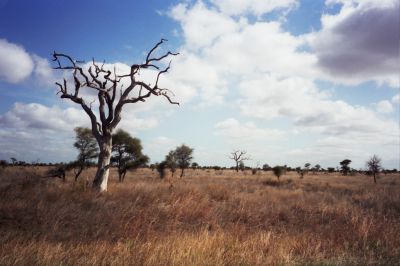
8/25/06

افرد ضلوعك ونم, فأنت أفريقيا كلها


ولم يدر في خلدي قط أنني لن أخرج من السجن يوماً من الأيام , وكنت أعلم أنه سيجئ اليوم الذي أسير فيه رجلاً حراً تحت أشعة الشمس والعشب تحت قدمي ؛ فإنني أصلاً إنسان متفائل , وجزء من هذا التفاؤل أن يُبقى الإنسان جزءاً من رأسه في اتجاه الشمس وأن يحرك قدميه إلى الأمام . وكانت هناك لحظات عديدة مظلمة اختبرت فيها ثقتي بالإنسان بقوة ولكنني لم أترك نفسي لليأس أبداً . فقد كان ذلك يعني الهزيمة والموت

8/23/06

Ngugi wa Thiong'o


Ngugi wa Thiong'o, a Kenyan writer of Gikuyu descent, began a very successful career writing in English before turning to work almost entirely in his native Gikuyu. In his 1986 Decolonising the Mind, his "farewell to English," Ngugi describes language as a way people have not only of describing the world, but of understanding themselves. For him, English in Africa is a "cultural bomb" that continues a process of erasing memories of pre-colonial cultures and history and as a way of installing the dominance of new, more insidious forms of colonialism. Writing in Gikuyu, then, is Ngugi's way not only of harkening back to Gikuyu traditions, but also of acknowledging and communicating their present. Ngugi is not concerned primarily with universality, though models of struggle can always move out and be translated for other cultures, but with preserving the specificity of his individual groups. In a general statement, Ngugi points out that language and culture are inseparable, and that therefore the loss of the former results in the loss of the latter:
[A] specific culture is not transmitted through language in its universality, but in its particularity as the language of a specific community with a specific history. Written literature and orature are the main means by which a particular language transmits the images of the world contained in the culture it carries. Language as communication and as culture are then products of each other. . . . Language carries culture, and culture carries, particularly through orature and literature, the entire body of values by which we perceive ourselves and our place in the world. . . . Language is thus inseparable from ourselves as a community of human beings with a specific form and character, a specific history, a specific relationship to the world. (15-16)
Aside from Decolonising the Mind, Ngugi has written several novels in English: Weep Not, Child, A Grain of Wheat, The River Between, and Petals of Blood, as well as a memoir of the time he spent detained by the Kenyan government-- Detained. Other works include his essays, collected in Homecoming, the short story collection, Secret Lives, and the plays The Black Hermit and The Trial of Dedan Kimathi (with Micere Mugo). Since turning to Gikuyu, Ngugi has written the play I Will Marry When I Want (with Ngugi wa Mirii) and the novels Devil on the Cross and Matigari.

Cheetah of African


Open woodland savanna and plains with little thickets, are the ideal conditions for Cheetah.
HABITS
Although more sociable than Leopards, adult Cheetahs are solitary animals.They are the fastest quadrupeds, reaching speeds of more than 100 kilometers per hour, in short bursts.They normally hunt in early morning and late afternoon. Adaptations for high speed chase are, a very large chest, small waist and a very long and somewhat flattened tail that the animal use as a "ruder" on tight turns at high speed.Their claws are not retractable. At a kill Cheetahs tend to eat as quick as they can, always on the alert for other carnivores, to whom they very often loose their prey.A genetic variant occurs in which the spots are larger and, the ones on the back are grouped in stripes. The animal is called "King Cheetah".Cheetahs live for about 15 years and can attain a mass of about 60 Kg.
DIET
They prey on small antelope, like Sprigbok, Steenbok, Impala, Duiker and Warthog.
BREEDING
After a gestation period of about 90 days, two to five cubs are born in a sheltered bush on tall grass. They are assisted by their mother until they reach sexual maturity at about 18 months of age.

8/17/06

Killing me softly with his song


Killing me softly with his song
telling my whole life with
his words,
killing me softly with his song.
I felt all flushed with fever,
embarrassed by the crowd,
I felt he found my letters and read each one out loud.
I prayed that he would finish, but he just kept right on strumming my pain
with his fingers, singing my life with his words,
Killing me softly with his song, killing me softly with his song, telling my
whole life with his words, killing me softly with his song


Lauryn Hill

وحيد للشاعر ليوبولد سنغور


للشاعر السنغالى الرئيس ليوبولد سنغور ترجمة سولارا صباح

أنا وحيد في البراري
وفي الليل
مع الأشجار ألتفّ من البرد

متماسكا بقوة ,
جسدى بالمرفق
وعضو بأخر.

انا وحيد في البراري
وفي الليل
محاط بالحركات المثيرة للشفقة للأشجار اليائسة
الأشجار التي فقدت أوراقها للجزر الأخرى.

أنا وحيد في البراري
وفى الليل

كعزلة أعمدة التلغراف الوحيدة
فى الطرقات المهجورة

8/8/06

سوينكا

Abiku
Wanderer child. It is the same child who dies and
returns again and again to plague the mother.
-Yoruba belief

In vain your bangles cast
Charmed circles at my feet
I am Abiku, calling for the first
And repeated time.
Must I weep for goats and cowries
For palm oil and sprinkled ask?
Yams do not sprout amulets
To earth Abiku's limbs.
So when the snail is burnt in his shell,
Whet the heated fragment, brand me
Deeply on the breast - you must know him
When Abiku calls again.
I am the squirrel teeth, cracked
The riddle of the palm; remember
This, and dig me deeper still into
The god's swollen foot.
Once and the repeated time, ageless
Though I puke, and when you pour
Libations, each finger points me near
The way I came, where
The ground is wet with mourning
White dew suckles flesh-birds
Evening befriends the spider, trapping
Flies in wine-froth;
Night, and Abiku sucks the oil
From lamps. Mothers! I'll be the
Suppliant snake coiled on the doorstep
Yours the killing cry.
The ripest fruit was saddest
Where I crept, the warmth was cloying.
In silence of webs, Abiku moans, shaping
Mounds from the yolk.

8/6/06

نص الموسم لـِ " وول سوينكا "


الصدأ يُنضجُ الصدأ

وأوراق الذرة الذابلة

غبار الطلع , موسم اللقاح , حين تغزل السنونوات رقصة السهام المريّشة

تطارد خيوط الذرة المجنّحة

في شرائط الضوء

ونحن نعشق سماع العبارات المجدولة للريح , نصغي لصرصرة الحقل

حيث أوراق الذرة جارحة مثل شظايا الخيزران

جامعو الغلة – نحن- الآن

في انتظار للصدأ المتربص بصوامع الذرة الطويلة ,

نرسم ظلالا من الغسق

نطوي السقوف

بإكليل من دخان القش

والسوس يمتطي حزمات القصب

وننتظر أن يصدق وعد الصدأ

من كتاب " موسم حرائق السافنا " للأديبة الشاعرة سولارا الصباح
أدباء إفريقيا في الحقبة ما بعد الاستعمار .

" تحت الطبع "

وول سونيكا

أول أفريقي يفوز بجائزة نوبل للآداب سنة 1986 وأستطاع أن يؤسس نفسه كأحد أهم كتاب القارة الإفريقية في العصر الحالي. و من أكثر المناصرين والمنادين لقضية الهوية والثقافة الإفريقية و النظام الاجتماعي الافريقى وحمايته من ثقافة المستعمر
وول سونيكا شاعر، كاتب مسرحي، روائي، ناقد ، المحاضر، معلّم، ممثل ، مترجم، سياسي، وناشر
ولد في 13 يوليو/تموز 1934 في أبيوكوتا ، قرب إبدان في غرب نيجيريا ونِشأ في مجمع للتبشير المسيحي وبدا دراسته الابتدائية في مدرسة للقدييسين حيث كان والده يعمل مديرا للمدرسة ثم انتقل للدراسة الثانوية في مدرسة قريبه من أبيوكوتا.بالرغم من نشأته في بيئة ناطقة بالإنجليزية "لغة المستعمر آنذاك"، ألا أن والديه استطاعا أن يحتفظا بالتقاليد والتراث القبلي الذي كان ينتميا إليه" قبيلة اليوربا".

بدأ دراسته الجامعية سنة 1954 في الكليّة الحكومية في إبدان، وأكمل دراستة ّ في جامعة ليدز، حيث، نال درجة الدكتوراة سنة 1973 قضى ست سنوات في إنجلترا، أشتغل فيها بالتأليف المسرحى والتمثيل في مسرح البلاط الملكي في لندن 1958-1959- 1960، ثم منح بعدها منحة روكيفيلير وعاد إلى نيجيريا لدراسة الدراما.
أثناء الحرب الأهلية في نيجيريا كتب وول سوينكا مقالا لوقف إطلاق النارمما ادى الى القبض عليه في 1967، إتّهم بالتآمر مع "ثوّار البيافر"، واعتقل كسجين سياسى لمدة 22 شهرا فى زنزانة أنفرادية. بعد خروجه من السجن اختار منفى اختيارى له, فاصدر مجموعته الشعرية" تنقّل في القبو "1972 Shuttle in the Crypt ورواية "موسم أنومى" Season of Anomy (1973) – وعبر فيهما عن تجربته المريرة فى السجن الانفرادى.
نشر سونيكا حوالي 20 عملا من مسرحية ورواية وشعر. كتب معظم مؤلفاته باللغة إلانجليزية ولغته الأدبية غنية بالمفردات المميزة التى تشكل طابعا خاصا به.
كمسرحي، تأثّر سوينكا بالكاتب الآيرلندي، جي. إم . سينج، لكنه فى نفس الوقت ظل تحت تأثير المسرح الأفريقي الشعبي التقليدي لذلك تاتى اعماله مشحونة بالرقص، والموسيقى و الافريقية تسند كل كتابته على الاساطير الخاصة بقبيلته " قبيلة اليوروبا " وتتمحور بصورة خاصة حول اسطورة الاله أوجان، إله الحديد والحرب.
" سكان المستنقع" والأسد والجوهرة (كوميديا خفيفة)، من مسرحيّاته الاولى وكتبهما أثنا أقامته فى لندن وعرضت في إبدان في 1958 و1959 ثم طبعت ونشرت في عام 1963.ثم اتجه الى انتاج الكوميديا الهجائية فألف مسرحية محاكمة الأخ جيرو (1960) ثم ،" تحويل جيرو" (1974,)، رقص الغابات A Dance of the Forest (1960 )حصاد كونجي Kongi's Harvest (1965) ومجانين وإختصاصيون (197
له ايضا العديد من المسرحيّات الجدّية الفلسفية ("سكنة المستنقع") الهجين القوي (1966)، الطريق The Road. (1965) الموت وسايس الملك Death and the King's Horseman (1976). كتب سوينكا عدة روايات. راويته الاولى المترجمون (1965)، تعتبر عملا معقدا وقورنت باعمال جويس وفولكنر، تحكى الرواية عن ستّة مثقّفين نيجيريين يناقشون ويحاولون تفسير مورثاتهم الافريقية.
روايته الثانية "موسم أنومي" (1973) مستندة على أفكار الكاتب أثناء سجنه فى الرواية استدعاء لاسطورة أورفيوس وأسطورة يردايس لمواجهة اساطير قبيلة اليوروبا النيجيرية.
اما راويته " مات الرجل The Man Died: مذكرات من السجن" تعتبر سيرة ذاتية وقد اعتبرت روايته أكى Ake 1980 استدعاء حميم لذاكرة الطفولة.
له مقالات أدبية في ألاسطور والعالم الأفريقي نشرت عام (1975).
كما له مجموعة مقالات سياسية صدرت فى كتاب"الجراح المتفتحة لقارة" 1996The Open Sore of a Continent (1996)., نشر
يرصد فيها أنحدار النظام السياسى والسلطة العسكرية فى نيجيريا والوضع اللآنسانى الذى يعيش فيه الفرد النيجرى تحت سيطرة ذلك الحكم . وقد لخص ذلك التدهور باعدام صديقه المؤلف المسرحى"كين سارو ويوا " وإصدار حكم بالاعدام شفاهية ضد وول سونيكا نفسه.

أما قصائد سوينكا، فلها إرتباط وثيق بمسرحيّاته له مجموعة شعرية باسم إدانر،وقصائد أخرى Idanre, and Other Poems (1967)، قصائد من السجن (1969)، مكوك في القبو A Shuttle in the Crypt (1972) أوجان أبيبيمان قصيدة طويلة (1976) "أرض مانديل" وقصائد أخرى (1988).
يعمل الان محاضر واستاذ زائر الادب المقارن بجامعات, كامبردج و جامعة يل وجامعة شيفيلد.

أخر مؤلفاته كناب" يجب أن تبيّن عند الفجر " You Must Set Forth at Dawn